

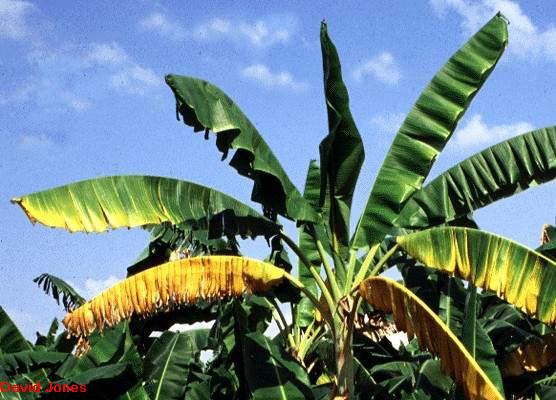
February 6, 2025 | A major breakthrough in agricultural research has brought new hope to banana farmers worldwide. Scientists have identified a key gene, MaUPL6, which plays a crucial role in the banana plant’s response to Fusarium wilt, a deadly fungal disease caused by Fusarium oxysporum f. sp. cubense Tropical Race 4 (Foc TR4).
The study, published in Molecular Horticulture Journal on February 5, reveals that MaUPL6 negatively affects banana resistance to Fusarium wilt by degrading another gene, MpICE1, which helps boost the plant’s immunity. Researchers used advanced genetic techniques to confirm that reducing MaUPL6 levels resulted in less damage from the disease, offering a promising strategy to enhance banana resilience.
A Game-Changer for Banana Farming
Fusarium wilt has been a severe challenge for banana growers, causing widespread crop losses and threatening food security. Traditional disease-control methods have failed to stop the spread of Foc TR4, making genetic resistance a crucial solution.
Scientists believe that this new discovery could pave the way for the development of disease-resistant banana varieties through targeted breeding or genetic modification, helping farmers protect their crops and sustain their livelihoods.
What’s next?
Further research is needed to confirm these findings in transgenic banana plants, but experts are optimistic that this genetic breakthrough will soon lead to stronger, more resilient banana crops.
As Fusarium wilt continues to pose a major threat, this discovery offers new hope for sustainable banana farming and a more secure future for farmers worldwide.